GRAY WATER OPS · CUSTOM PVC PATCHES
Custom PVC Patches
Molded flexible plastic. Weatherproof, 3D textured, vibrant color. Built for plate carriers, range bags, hats, and morale walls. The format of choice for the modern tactical community. Designed by a USAF veteran. 100 piece minimum.
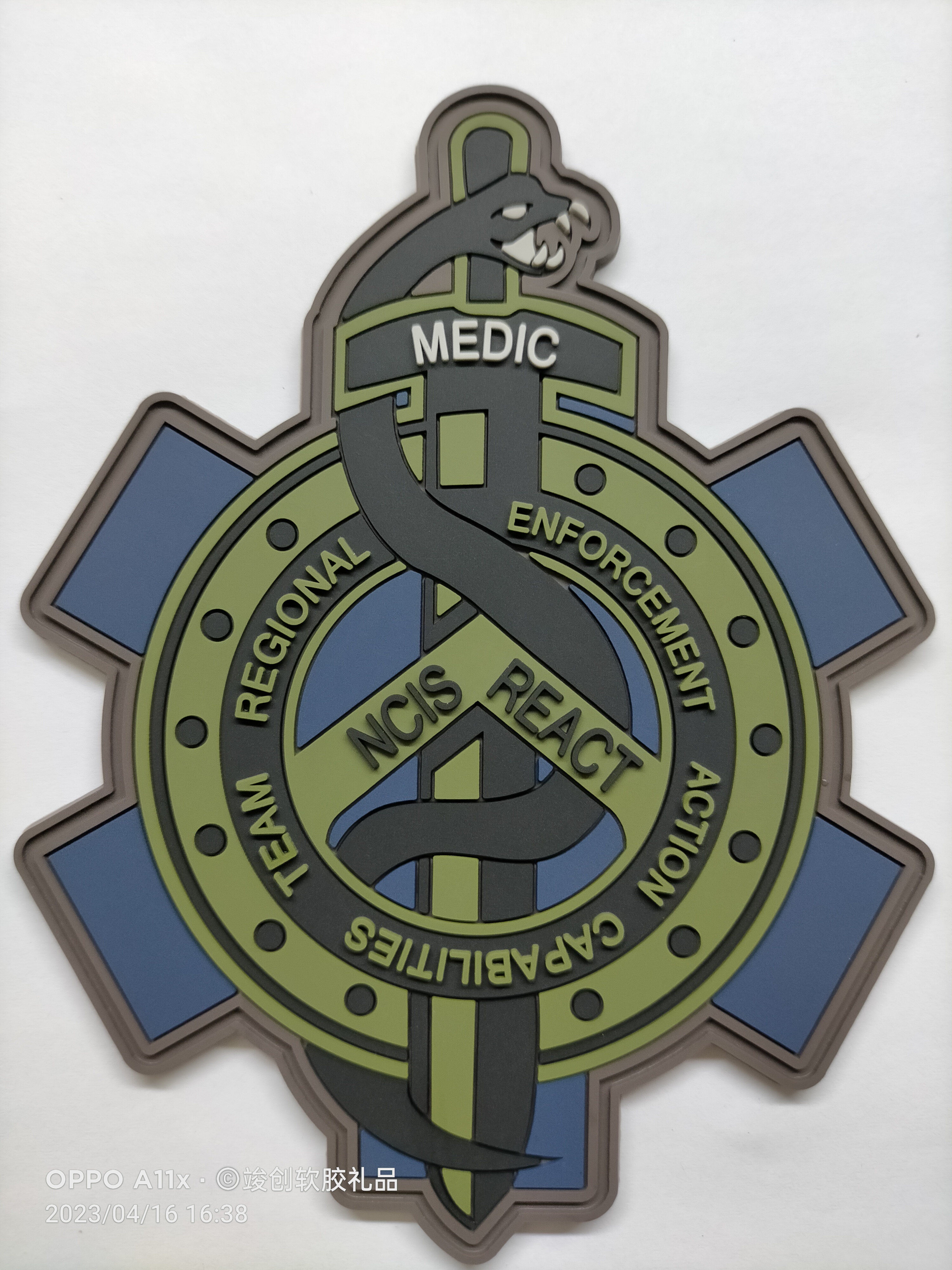
What PVC patches are best for
PVC patches took over the morale and tactical patch market because they do things embroidered patches structurally can't. The material is a molded flexible plastic — think a thicker, more flexible version of the rubber tag on a sneaker. The design is sculpted into the mold, so you get raised and recessed areas, fine detail, and sharp color separations that thread will never render as cleanly.
- Morale patches — section-designed PVC patches with humor, operational references, or unit identity.
- Tactical operator patches — plate carrier panels, team patches, call sign patches.
- Range and firearms community — instructor patches, match patches, maker patches.
- Outdoor and preparedness — bugout bag patches, SAR team patches, wilderness-use designs.
- Event and deployment patches — one-off runs for a specific trip, exercise, or operation.
Why PVC — the structural case
- Weatherproof. PVC doesn't absorb water, fade in sun as fast as thread, or snag on gear. Mud wipes off.
- 3D texture. The mold creates genuine physical depth — logos sit proud, backgrounds recess. Embroidery can only approximate this.
- Fine detail. Small text, thin lines, and complex artwork render cleanly. Thread density has a hard limit; PVC does not.
- Vibrant, stable colors. Pigment is baked into the material so colors stay saturated.
- Durable. Flexible enough not to crack when you flex the gear it's mounted on, hard enough to hold its shape through years of use.
Construction options
- Backings. Hook-and-loop (Velcro) is the overwhelming standard for morale and tactical use. Also available: iron-on, sew-on, adhesive.
- Custom shapes. PVC patches cut to any outline — unit silhouettes, state shapes, equipment outlines, logos with irregular edges.
- Glow-in-the-dark elements. PVC accepts glow pigments cleanly for specific recessed areas without affecting the rest of the design.
- Infrared (IR) elements. For military use — IR-reactive panels that show under NODs but are invisible in daylight.
- Multiple colors per patch. No practical limit on color count — each is molded in as its own layer.
PVC vs. embroidered
Both have their place. The honest breakdown:
- Choose PVC for anything that gets wet, muddy, flexed, or lives on tactical gear; for designs with fine detail or multiple color separations; for that 3D sculpted look.
- Choose embroidered for traditional uniform patches, department patches that live on cloth, and anything where the classic stitched texture is the look you want. See custom embroidered patches.
Design and production process
- Concept. Send your design idea, any reference artwork, intended size, backing type, and color direction.
- First proof. Keith drafts the artwork optimized for PVC — color separations, raised vs. recessed areas, outline cleanup.
- Revisions. We adjust until you sign off.
- Mold. Approved artwork becomes a mold.
- Production. Patches are molded, trimmed, backing applied, inspected, and shipped.
NEED CUSTOM PVC PATCHES?
Designed by a Veteran. 100 piece minimum.
Request a PVC Patch Quote →
graywaterops.com/patch-quote